

Blog
Once you understand dividing a beat into two parts (like quavers), music introduces
another exciting idea—dividing a beat into three equal parts. This is where
triplets come in.
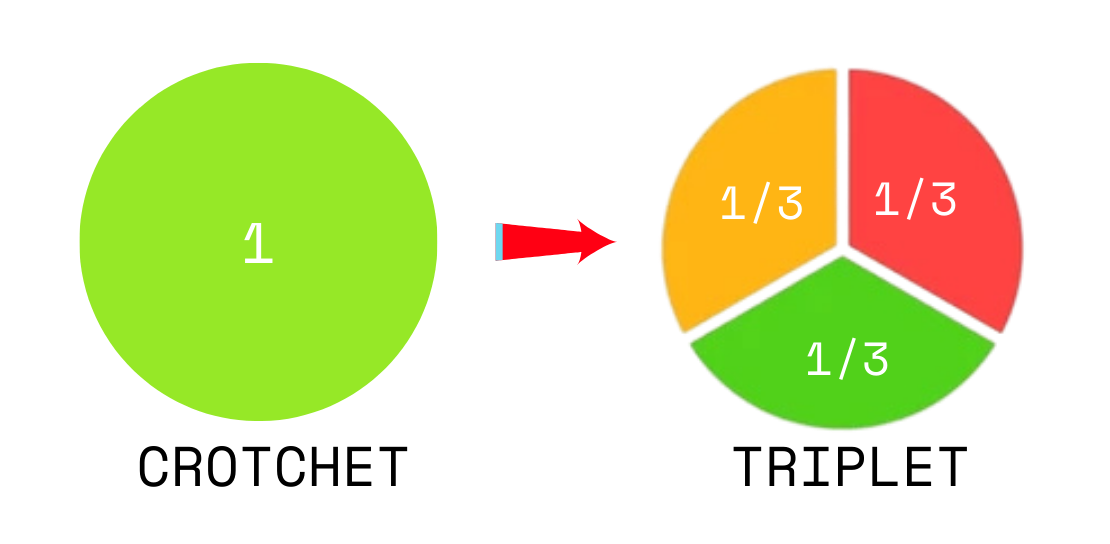
Triplets add a flowing, slightly “bouncy” feel to music and are very common in
classical, gospel, jazz, and contemporary styles.
What Is a Triplet?
A triplet is a group of three quavers played in the same time normally taken by two
quavers.
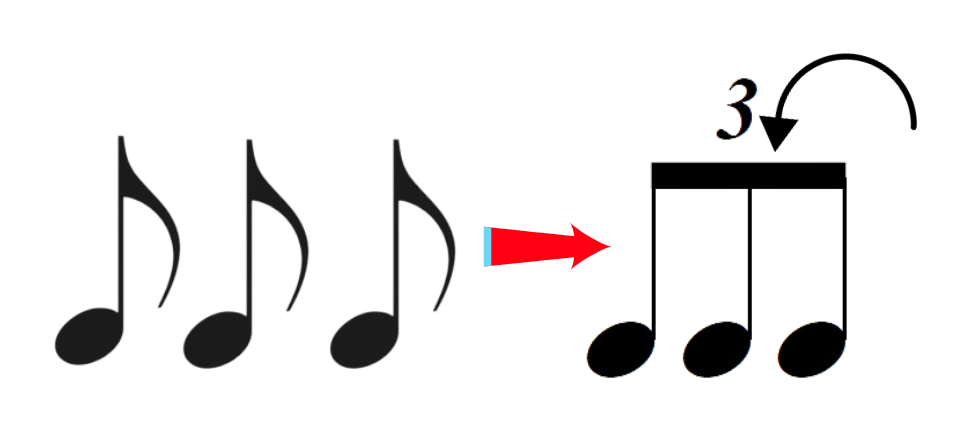
In simple terms:
• Normally, one beat is divided into two
• A triplet divides that same beat into three equal parts
• British/UK name: Quaver Triplet
• American/US name: Eighth Note Triplet
How Triplets Work in Simple Time
In simple time signatures such as 4/4, 3/4, and 2/4:
• Two quavers usually make one beat
• A quaver triplet replaces those two quavers with three evenly spaced
quavers
So instead of counting:
1 and
You feel something closer to:
1-trip-let
In 4/4 time, this means a single crotchet beat can be filled with three quavers
played evenly, rather than the usual two.
What About Triplets in Compound Time?
In compound time signatures such as 6/8, 9/8, and 12/8, the beat is already
divided into three parts.
This means:
• The rhythm already groups notes in threes
• There is no need to “force” three notes into the space of two
Using a triplet here would be like putting a “3” over notes that are already
naturally grouped in threes—it becomes unnecessary and redundant.
Think of rhythm like sharing time:
• Normal quavers: sharing one beat between two people
• Triplets: sharing the same beat between three people equally
The time doesn’t change—only how it’s divided.
For a more detailed walkthrough, you can watch the full video tutorial below, where each rhythm pattern is explained and practiced step by step.
The next step is simple—practice.
To help you get comfortable with counting and timing, we’ve created a free rhythm exercise PDF you can practice at your own pace. The exercises are short, clear, and beginner-friendly.
Download the free Rhythm Exercise PDF below and start practicing.
 Beginner Scores