
Blog
Every piece of music has a pulse—something you can tap your foot to or nod your
head along with. That pulse is called rhythm and understanding it makes music feel
less confusing and much more enjoyable. One of the simplest and most important rhythm patterns is the crotchet. Even if
you’ve never read music before, this is a great place to start.
What Is a Crotchet?
A crotchet is a musical note that lasts for one beat. In most popular music, that
beat is what you naturally count as:
1 – 2 – 3 – 4
Each number represents one crotchet.
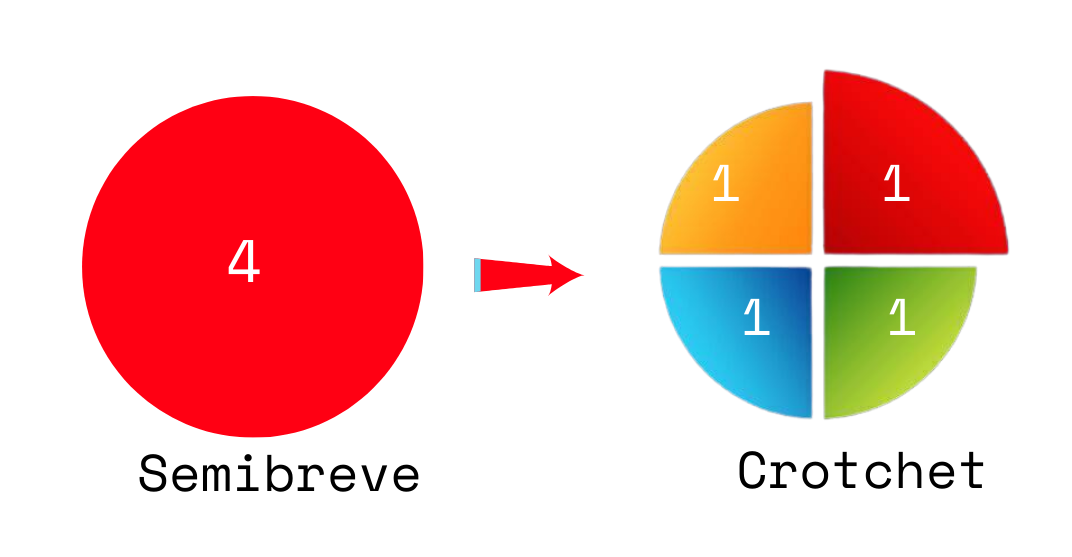
In the United Kingdom, it is called a crotchet. In the United States, it is known as
a quarter note—because four of them fit into one complete musical bar.
Why Is It Called a Crotchet?
The word crotchet comes from an old French word meaning “little hook.” If you
look closely at the note, you’ll notice it has a small stem attached to it—this is
where the name comes from.
What Does a Crotchet Look Like?
A crotchet is easy to spot:
• It has a solid (black) oval head
• It has a stem attached to it
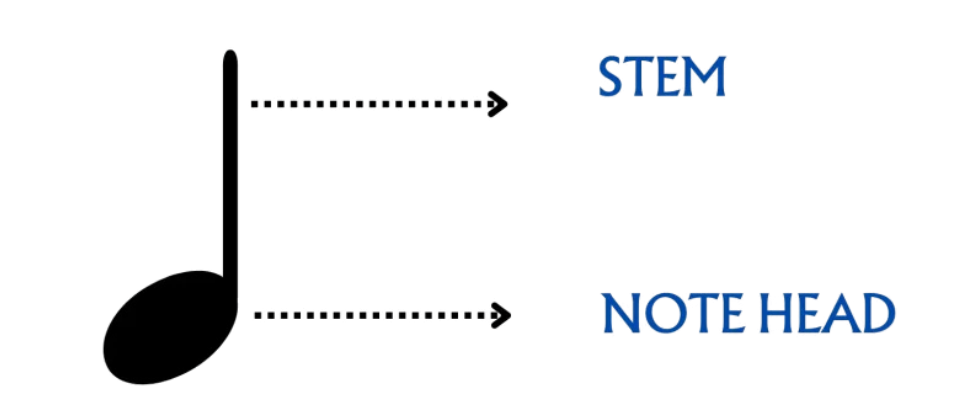
Once you recognize this shape, you’ll start seeing it everywhere in music.
How Long Is One Crotchet?
The length of a crotchet depends on how fast the music is playing.
• In slow music, one crotchet can last about one second
• In faster music, it may last half a second or even less
So the faster the song, the quicker each beat moves.
What Is a Crotchet Rest?
Music isn’t only about sound. Silence plays a big role too.
A crotchet rest tells the musician to pause for one beat instead of playing a note.
What Does It Look Like?
It looks like a small squiggly symbol—often compared to a lightning bolt or a curved
“Z” shape.

How the Crotchet Note and Rest Work Together
Think of music like a conversation:
• A crotchet note is someone speaking for one moment
• A crotchet rest is that person pausing, allowing the conversation to flow
naturally
Both sound and silence work together to create rhythm—and that balance is what
makes music feel alive.
For a more detailed walkthrough, you can watch the full video tutorial below, where each rhythm pattern is explained and practiced step by step.
The next step is simple—practice.
To help you get comfortable with counting and timing, we’ve created a free rhythm exercise PDF you can practice at your own pace. The exercises are short, clear, and beginner-friendly.
Download the free Rhythm Exercise PDF below and start practicing.