
Blog
Once you’re comfortable with the main beat, music begins to add movement by
splitting that beat into smaller parts. This is where the quaver comes in. Quavers
make rhythms feel more energetic, playful, and flowing.
What Is a Quaver?
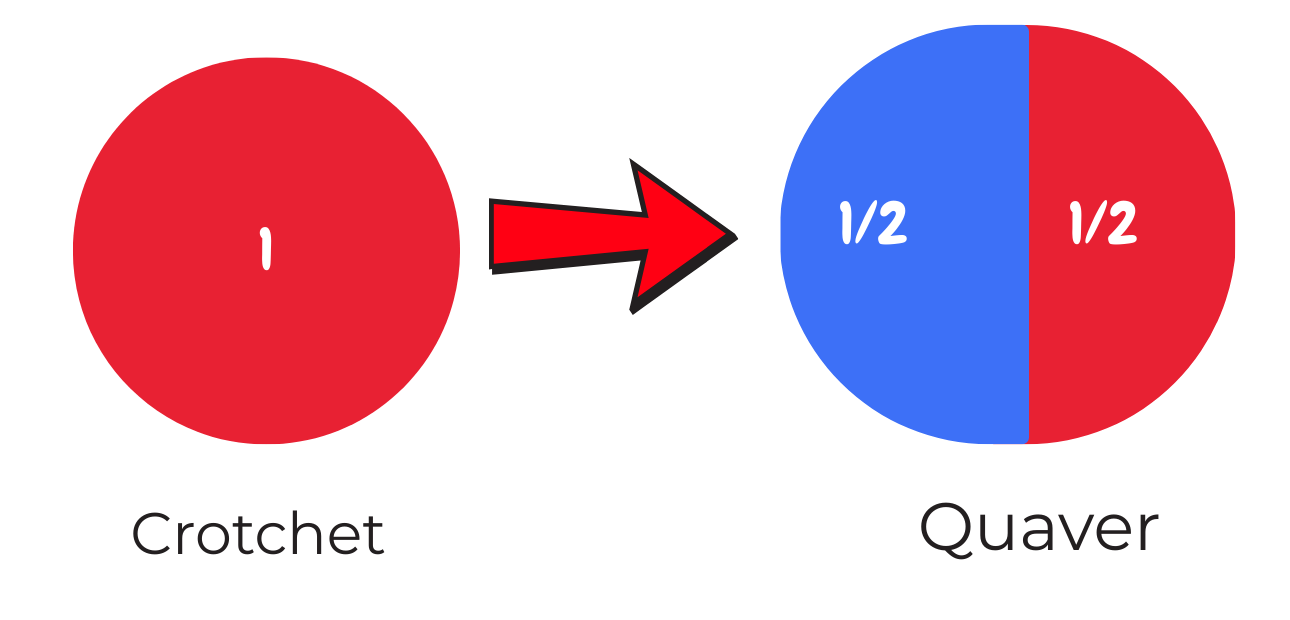
A quaver is a musical note that lasts for half the length of a crotchet.
• British/UK name: Quaver
• American/US name: Eighth Note
Since a crotchet takes one full beat, a quaver fits two notes into one beat. That’s
why quavers are counted as half a beat each in common time.
Where Does the Name Come From?
The word “quaver” comes from the Middle English word quaven, which means “to
tremble or shake.” This makes sense because quavers often appear in faster
passages of music and give a sense of motion or excitement.
What Does a Quaver Look Like?
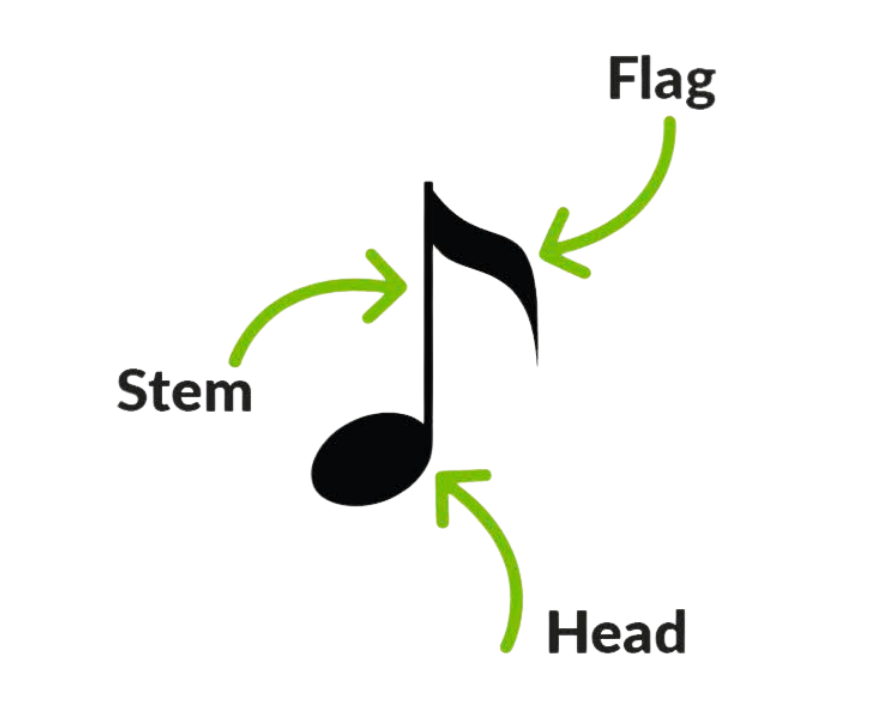
A quaver looks similar to a crotchet but with one extra detail:
• A solid (black) note head
• A straight stem
• A single flag when written on its own
When quavers appear next to each other, their flags are often joined together
with a beam. This makes music easier to read and shows that the notes belong to
the same beat.
How Long Is a Quaver?
The length of a quaver depends on the tempo of the music:
• At 60 BPM, one quaver lasts half a second
• At 120 BPM, one quaver lasts a quarter of a second
As the tempo increases, quavers move faster and create more rhythmic drive.
Quavers in Simple Time Signatures
In simple time signatures such as 2/4, 3/4, and 4/4:
• Each quaver lasts for half a beat
• Two quavers make one full beat
This is why quavers are often counted as:
“1 and, 2 and, 3 and, 4 and.”
What Is a Quaver Rest?
Just like notes, quavers also have rests.
A quaver rest is a symbol that tells the musician to pause for half a beat instead
of playing a sound.
What Does a Quaver Rest Do?
• It lasts for the same duration as a quaver
• In simple time, that means half a beat of silence
• It keeps the rhythm moving, even though there is no sound during that
moment
Quaver rests often appear alongside quaver notes to create interesting rhythmic
patterns.

How the Quaver Note and Quaver Rest Work Together
Think of rhythm like walking:
• A quaver note is a quick step forward
• A quaver rest is a brief hesitation before the next step
Even though there is silence, the timing never stops. The beat continues to flow,
keeping the music steady and balanced.
For a more detailed walkthrough, you can watch the full video tutorial below, where each rhythm pattern is explained and practiced step by step.
The next step is simple—practice.
To help you get comfortable with counting and timing, we’ve created a free rhythm exercise PDF you can practice at your own pace. The exercises are short, clear, and beginner-friendly.
Download the free Rhythm Exercise PDF below and start practicing.